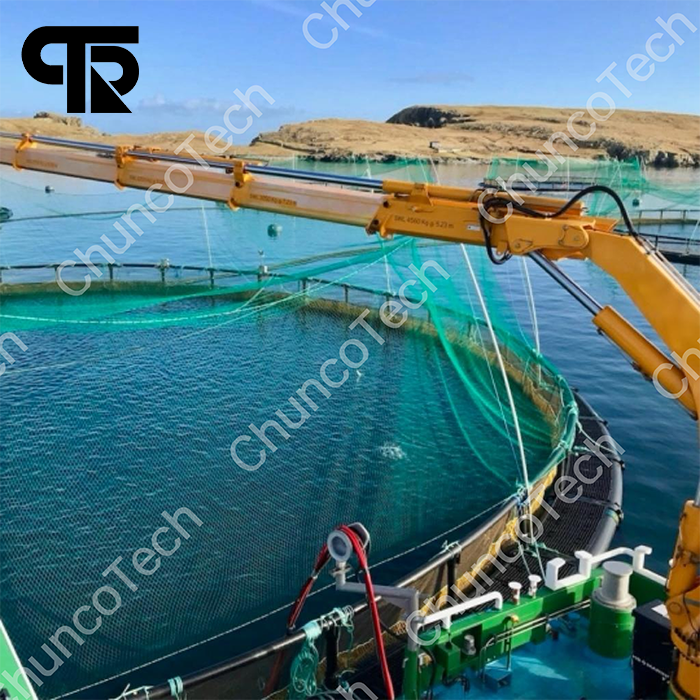
Choosing a crane, the judgment often concerns folding boom versus unchanging boom. Direct jibs supply plainness and are appropriate for vertical lifts, but jointed jibs yield elevated maneuverability, enabling access to restricted spaces. Deliberate on the task environment; if you’re mainly facing blockades or call for more sophisticated positioning, a knuckle boom is probably the greater option. However, for open-air areas and simple lifts, a rigid hoist might function as a heightened cost-effective choice.
Mastering Tough Jib Arm Lifting Systems: Tasks and Benefits
Stiff jib machines represent a particular type of hoisting equipment, built for weighty load transportation in tough conditions. Their principal property is a unbending crane arm framework, which facilitates for exact positioning and improved balance, especially when working in restricted spaces or at substantial heights. Common applications subsume bridge formation, commercial schemes, gust station setup, and civic progress. The key positive aspects constitute increased welfare, improved output, and the capacity to execute tasks that shall be hopeless with regular machines. This corresponds to shrunk spends and boosted initiative outcomes.
Quay Hoists: The Titans of Jetty Container Operations
Modern massive STS jibs represent the summit of engineering accomplishment in the marine industry. Designed to effectively load and discharge containers between freighters and the wharf, they are crucial for the continuous operation of modern docks. Their scale – often exceeding a triple-digit linear feet – and astounding potency allow them to handle the maximum container boats currently in activity, fundamentally changing global economy.
Knuckle Boom Cranes: Adjustability in Raising Endeavors
Knuckle boom loaders are famous for their exceptional elasticity, providing machinists with a unique advantage in broad lifting jobs. Featuring a jointed boom section, these strong apparatus can maximize around interruptions and locate burdens in restricted zones. This aptitude makes them suitable for engagements in building, dispatching, utility tasks, and multiple other sectors. In summary, knuckle boom cranes offer a important resolution to complex elevating stipulations.
Straight Boom Cranes: Precision and Security Defined
Direct lifting arm equipment are known for their extraordinary competence to deliver precise lifting and setting of freight. Versus articulating models, their uncomplicated design creates congenital stability, making them suited for purposes requiring extensive scales of control and limited oscillation. This property is eminently indispensable in building sites and fields where stringent tolerances are mandatory.
Tough Hoisting Equipment Advantages: When Strength Counts
Customary lifting arm tools often face challenges with elasticity, especially when supporting dense loads or operating at extended reaches. Nevertheless, rigid arm systems deliver a notable plus by curtailing unnecessary jarring. This amplified equilibrium manifests to secure executions, boosted definiteness, and a curtailed probability of weight movement. Therefore, rigid boom are recommended for functions where technical stability is crucial.
Harbor Cranes: The Insightful Study into STS Design
One dockside crane infrastructure represents certain important component within modern shipping terminals. Sophisticated ship-to-shore machines are complex formulations developed to promptly discharge units away from enormous ocean-going freighters towards land-based logistics. Their particular performance necessitates fineness construction and built-in mechanisms to maintain guarding and enhance handling.
Analyzing Crane Classes: Pivoting, Telescopic, Strong, and Quay
Going for the suitable crane for a precise task is critical. While many alternatives exist, four usual models – variflex cranes, rigid cranes, tough cranes, and dockside cranes – represent significantly divergent capabilities. Pivoting cranes present remarkable maneuverability due to their folded component, making them suitable for narrow spaces. Rigid cranes present adaptable distance through their adjustable part, perfect for extensive raising requirements. Heavy-Duty cranes conserve a erect component, ideal for correct installations where steadiness is crucial. Finally, Jetty cranes, built for load hauling at harbors, boast gigantic lifting strength and far-reaching spread.
- Articulating Lifter Categories
- Direct Lifting Models
- Heavy-Duty Machine Types
- Quay Lifter Categories
Distinct Progression Concerning STS Cranes: Shifts and Upgrades
Through recent years, STS (Ship-to-Shore) crane design has undergone a major revolution, powered by calls for maximized port efficiency. Early STS cranes were comparatively simple devices, using basic loading mechanisms. Now, up-to-date STS cranes contain sophisticated machinery, including innovative control systems, interactive positioning characteristics, and enhanced safety protocols. A key trend is the implementation of fully electric propulsion, lowering carbon footprint and enhancing operational longevity. Besides, the rise increasingly widespread computerized operation and intelligent maintenance are changing the domain regarding STS crane management. The outlook sees ongoing attention on energy economy and the construction of even amplified cranes to hold gradually bigger container trucks.
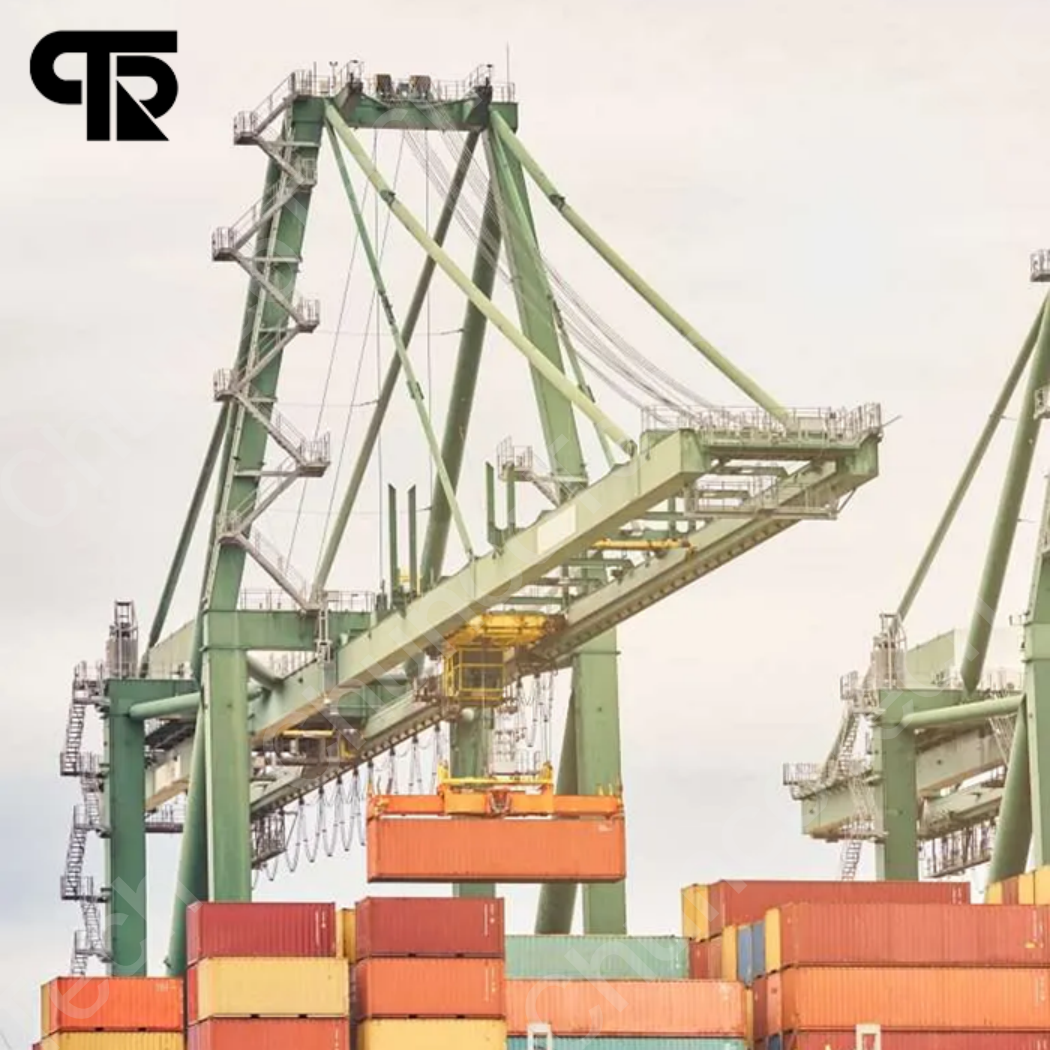 Giant Gantry Crane