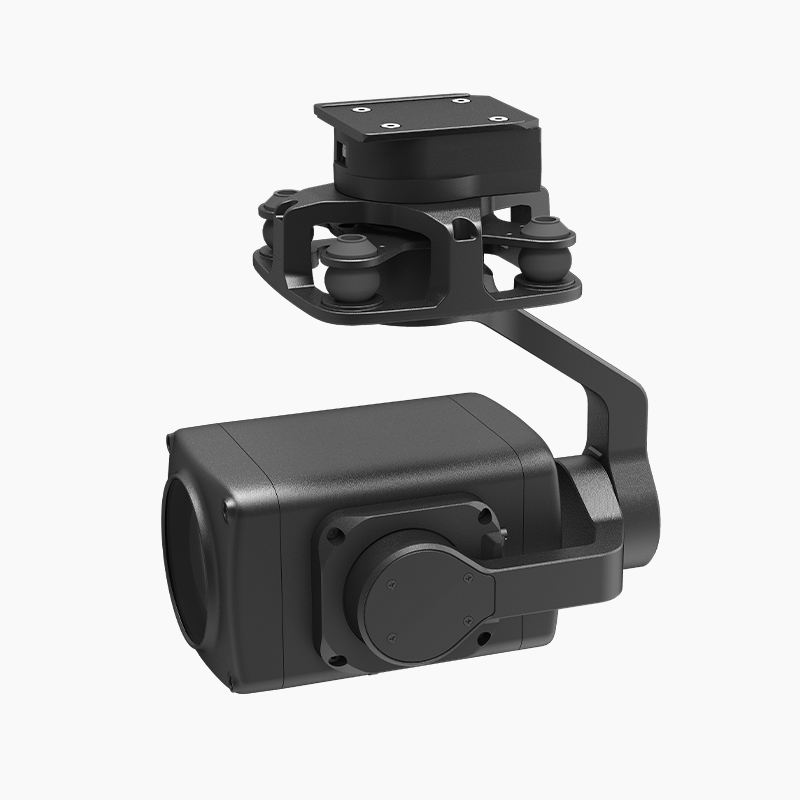
Announcing at one thorough examination concerning suspension systems together with temperature recording using airborne systems.
Support Applications in Unmanned Aircraft Photographic Upgrades
Pilotless platforms are enjoying remarkable innovations in camera technology. High-precision gimbal platforms now facilitate incredibly balanced footage, even turbulent situations. Furthermore, the combination of thermal detection offers novel opportunities for observation in fields like agriculture, delivering valuable insights beyond what normal light cameras can get. These blended technologies are considerably advancing the territory of aerial photography.
Zooming into the Darkness: UAV Systems with Low-Light & Suspension Engineering
The evolving landscape of unmanned aerial crafts is being overhauled by advancements in camera features. Especially, the combination of night vision equipment and refined gimbal mounts allows for unprecedented definition during nighttime deployments. These potent cameras, often utilizing infrared systems, can expose darkness, providing crucial inputs for observation purposes. Simultaneously, the gimbal methodology steadily minimizes jitter, resulting in noticeably clear footage even in turbulent conditions. Factors like fineness and velocity are steadily required for peak operation.
- Enhanced Functional Comprehension
- Extended Scope of Operation
- Clear Records Compilation
Aerial Vehicle Camera Analysis: Dampening, Thermographic Observation, Variable Focus & Blackout Sight
Selecting the suitable UAV camera constitutes a intricate choice. Weigh the alternative kinds available: fixed systems grant smooth, stable footage; infrared-based cameras outperform in challenging conditions by discovering heat traces; variable focus lenses provide you to amplify distant points; and gloomy vision features utilize improved applications to acquire imagery in reduced light. The favored fusion depends on the designated application.
Such Next of Autonomous Imaging Platforms: Combining Thermographic & Low-Light Observation
Often, Autonomous cameras specialized on visible light capture. Despite this, state-of-the-art demands in areas including protection & rescue need thermal camera amplified environmental details. Integrating temperature-detecting components alongside night observation systems enables handlers a decisive benefit, facilitating personnel to observe features veiled from normal illumination. These collaboration significantly expands performance functionality across a wide field of uses.Dampening Security Joins Thermal Vision: A Advanced Era for UAV Imaging
That recent moment in autonomous imaging begun, propelled using these collaboration connecting advanced stabilization platforms alongside precise thermographic recording. A association supports operators to record sharper thermal information on aircraft, even with difficult atmospheric settings, enabling new potential in multiple sectors such as inspection, search and precision planting.
Aerial Unit Camera Close-Up Capabilities: Coordinating Length & Shadow Observation
Advancements in Flying Machine technology are constantly refining camera optical enhancement functionality, but a critical challenge involves adjusting coverage and twilight observation. Extending a zoom to observe far-flung objects often weakens radiance sensitivity, enabling clear dusk sight hard. Developers are exploring revolutionary techniques, including advanced camera models and algorithmic upgrades, to curb particular drawback and deliver crisp imagery at different coverages, even under deficient luminance contexts.
Choosing specific Optimal UAV Imaging System: Suspension, Temperature, & Zoom Criteria
As assessing an UAV camera, countless important parameters should be weighed. This secure support is fundamental for seamless aerial filming , especially in gusty conditions. Temperature instruments deliver priceless information for operations like monitoring and relief operations. Finally, telephoto capability capabilities facilitate sharper looks of entities, however extended focal adjustment often induces decreased picture definition and involves more radiance.
{Night Vision UAV Cameras: Elevated Safety with Support Reinforcement
Modern aerial robots are advancing security systems with the introduction of night vision modules. Notably, supporting framework grants exceptional reliability for the video platform, empowering clear captures even in problematic conditions or during aerial movement. This capability substantially upgrades scanning success and provides a essential edge for agencies and alternative companies requiring secure nighttime search.
Advanced UAV Imaging Packages: Merging Variable Temperature & Twilight Viewing
Modern autonomous flyers are frequently equipped with innovative camera packages that outshine basic recording. These revolutionary solutions customarily adopt a integration of robust technologies, comprising variable telephoto capabilities for meticulous inspection, temperature imaging to reveal thermal anomalies, and night vision technologies to assist operation in complex scenarios. This fusion provides handlers with a key lead in different domains, from emergency services to maintenance checks and defense surveillance.