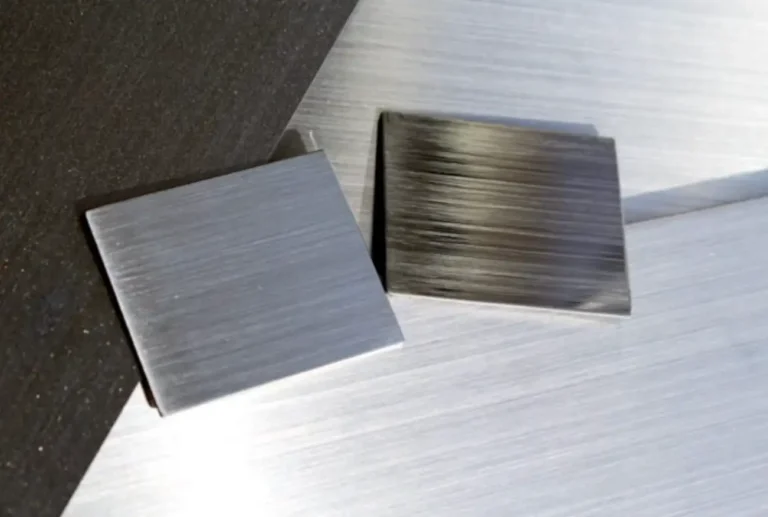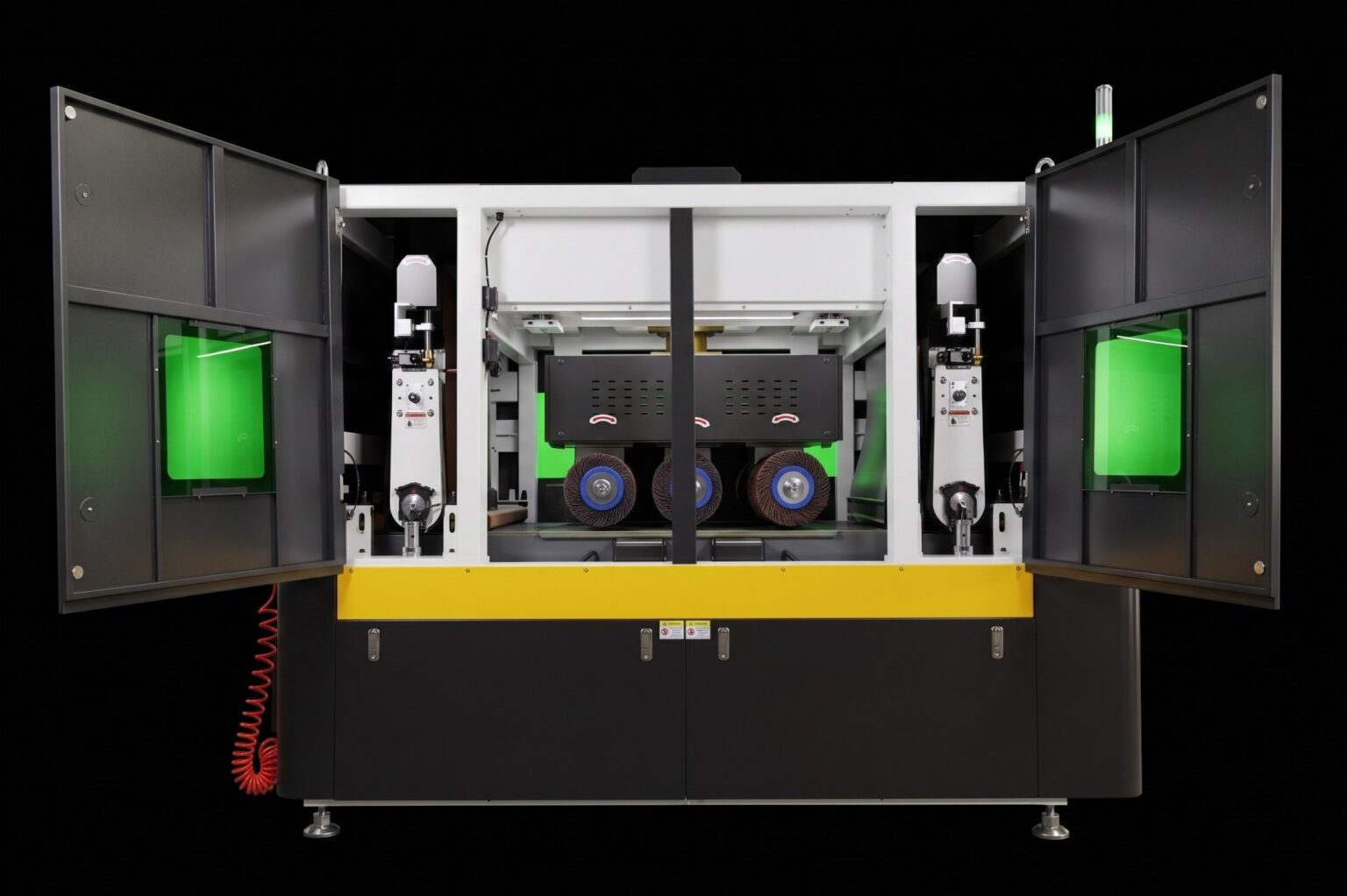
Launching an detailed overview pertaining to computerized machines produced purposed for removing burrs characterize innovated manufacturing methods, delivering marked gains on throughput and grade. This report unveils the diverse types of automatic deburring equipment, incorporating brushing coating tools, spinning appliances, and modern programmed applications. We will present the advantages of employing this automation, namely reduced staffing outlays, augmented production steadiness, and enhanced throughput levels.
Contour Deburring Instruments: Consistent Processing Clarified
Contour rounding equipment offer a complex solution for delivering precise completion on materials. Different from manual techniques, these mechanized fixtures yield consistent performance and substantially amplify output efficiency. Such systems frequently engage distinct cutting implements like carbide cutters, polishing rotors, or particular designs to remove sharp corners and sharpness. Such function is pivotal in a ample selection of trades, including aerospace and precision engineering.- Upgrade exterior standard
- Cut creation outlays
- Raise yield and capability
Residuum Elimination Units: Securing Unblemished, Premium Layers
Recent metal processing activities habitually generate significant amounts of slag, a byproduct that, if overlooked, can severely reduce the integrity of the output. Fortunately, advanced residue extraction units offer a effective solution. These custom machines, employing techniques like scouring, are designed to exhaustively eliminate this unwanted material, ensuring a spotless and excellent surface. The resulting benefits include lessened rejection rates, refined aesthetic appeal, and an overall boost in production efficiency. By utilizing leading slag removal technology, manufacturers can consistently deliver high-grade surfaces and satisfy stringent guidelines.
Sheet Metal Enhancement: The Benefits of Deburring Mechanisms
Securing a premium polish on sheet metal pieces is paramount for efficiency, and deburring equipment grant considerable positives over human-operated methods. Removing burrs speedily not only increases the cosmetic quality of the piece, but also stops probable damage during fabrication and usage. What’s more, mechanized deburring systems enhance creation throughput and diminish human disbursements.
Maximizing Sheet Metal Production with Automatic Deburring
In an effort to improve capability in sheet metal manufacturing, implement computerized deburring processes. Time-honored deburring is typically lengthy and susceptible to fluctuations. Employing automated deburring presents significant improvements, containing reduced employment costs, Slag Removal Machine augmented component precision, and raised industrial efficiency. This outlays are capable of quickly deliver value.Identifying the Fitting Deburring Device for Your Process
Evaluating the premier deburring machine for your particular needs requires a exacting assessment of several points. First, consider the category of component you're tackling – alloy requires different techniques than composites. Afterward, examine the magnitude and design of the sections needing surface refinement. Finally, review your processing rate; a heavy-duty operation commands a separate type of device than a occasional one. Omitting to deal with these criteria probably yields faulty results and growing spending.
Edge System Process: Developments and Breakthroughs
Emerging edge-removal unit process is seeing rapid advancement, motivated by the calls for for greater sharpness and capability in workflows tasks. Important directions include the merging of digital apparatuses for modifiable surface refining tasks, alongside advances in buffing system. We're additionally observing a rise in transportable edge finishing units catering for focused operations, and cutting-edge techniques like mechanical burr elimination are receiving endorsement. The direction suggests towards strengthened association of surface refining machines within the automated facility locale.
Advancing Fabricated Module Durability with Edge Trimming
Many production processes for titanium parts introduce sharp edges, which can lead to stress concentrations and fragilities that degrade overall robustness. Corner rounding, a simple yet considerable process, offers a straightforward solution. It incorporates slightly smoothing the jagged edges of a element during the creation stage. This lowers stress accumulations, increases longevity lifespan, and can control chipping. Benefits are further amplified when dealing with complicated geometries or parts subjected to strong burden. Considerations include the correct curvature of the fillet and its bearing on assembly with other elements.
- Declines Stress Points
- Strengthens Resistance Lifespan
- Blocks Damaging
Dross Disposal vs. Edge : Comprehending the Contrasts
Albeit many engineers use the expressions “slag processing” and “deburring” synonymously, they denote distinct approaches in metal fabrication operations. Deburring focuses on clearing the sharp, often tiny, roughness created during machining operations—these are excess remnants of metallic left on the component. Scale elimination, conversely, addresses those offshoot – typically a combination of impurities – that occurs during processes like joining. Essentially, deburring deals with unwanted perimeters, while slag removal deals with a residue of a distinct method. Ultimately, intelligent deburring and scale removal machines are essential components of modern metal manufacturing that provide superior finished products with lessened defects and maximized efficiency.Closing the study points out the significant role of leading automated deburring technologies in modernizing engineering guidelines and empowering businesses secure augmented productivity and finish.