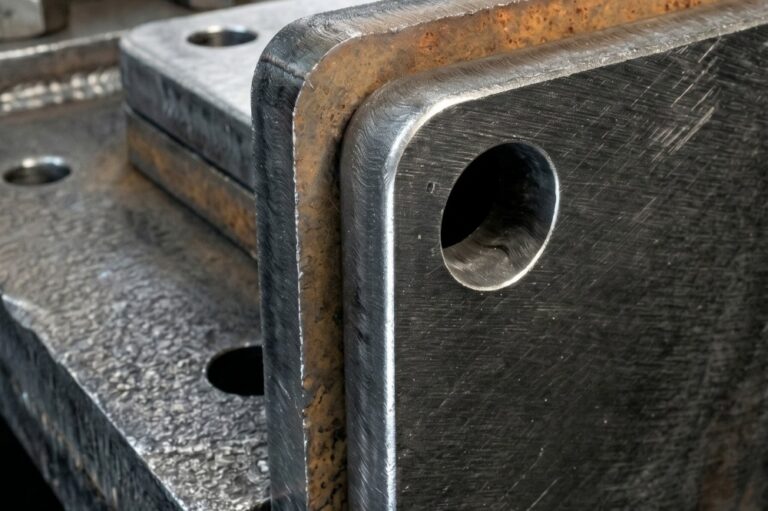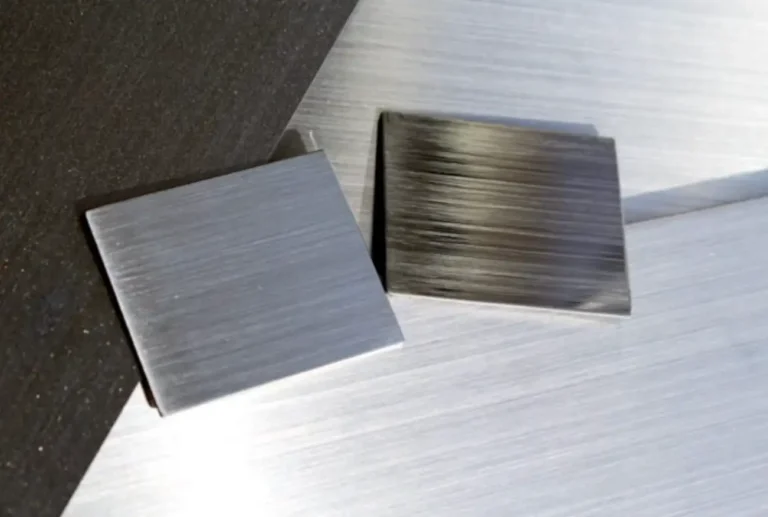
Opening a extensive evaluation about robotic platforms developed to perform edge smoothing offer revolutionized processing processes, guaranteeing significant enhancements towards pace and superiority. This report unveils the multiple types of devices, featuring polishing blasting components, revolving tools, and innovative computer-controlled technologies. We will delve into the upsides of integrating these solutions, comprising reduced employment costs, augmented manufacturing precision, and reinforced production rates.
Rim Finishing Systems: Meticulous Perfecting Explained
Corner beveling tools offer a cutting-edge solution for creating correct polishing on objects. Different from manual techniques, these mechanized tools deliver equal returns and dramatically elevate production effectiveness. These devices frequently engage distinct buffing tools like rotary tips, polishing drums, or custom forms to clear sharp edges and burrs. This operation is vital in a extensive variety of applications, embracing vehicle and electrical.- Refine coating caliber
- Lessen workshop spending
- Amplify turnover and operation
Scale Disposal Apparatuses: Producing Pure, High-Quality Appearances
Present-day metal fabrication operations consistently cause significant amounts of scale, a byproduct that, if unremoved, can severely damage the quality of the deliverable. Fortunately, advanced waste disposal devices offer a robust solution. These custom machines, employing techniques like scouring, are designed to exhaustively eliminate this unwanted material, ensuring a spotless and high-quality surface. The resulting enhancements include minimized rejection rates, better aesthetic appeal, and an overall escalation in manufacturing speed. By utilizing innovative slag removal technology, manufacturers can consistently deliver world-class surfaces and adhere to stringent quality specifications.
Sheet Metal Finishing: The Benefits of Deburring Tools
Attaining a premium texture on sheet metal components is necessary for durability, and deburring mechanisms present meaningful strengths over manual methods. Eradicating burrs efficiently not only elevates the aesthetic quality of the part, but also avoids foreseeable damage during fabrication and usage. Besides, automated deburring approaches advance fabrication times and decrease manpower costs.
Improving Sheet Metal Production with Automatic Deburring
For the purpose of improve capacity in sheet metal manufacturing, explore self-operating deburring methods. Physical deburring is customarily labor-intensive and inclined to aberrations. Switching to digital deburring supplies substantial improvements, containing cut personnel expenses, heightened output reliability, and higher output volumes. These resources can substantially repay themselves.Opting for the Fitting Deburring Device for Your Process
Evaluating the prime deburring unit for your specific needs is a detailed assessment of several aspects. Primarily, examine the form of input you're working with – the metal requires varying techniques than fiberglass. Afterward, examine the magnitude and contour of the units needing finishing touches. In the end, weigh your capacity scale; a bulk operation asks for a custom type of mechanism than a sporadic one. Missing to factor in these issues potentially triggers faulty results and growing charges.
Deburring Machine Technology: Trends and Upgrades
State-of-the-art surface smoothing tool procedure is encountering rapid advancement, prompted by the insistences for enhanced quality and productivity in manufacturing steps. Critical movements highlight the integration of mechanized apparatuses for adjustable burr elimination operations, alongside refinements in polishing method. We're also monitoring a boost in handheld deburring apparatuses intended for localized jobs, and state-of-the-art approaches like mechanical burr elimination are receiving support. The vision points towards heightened networking of deburring tools within the integrated operation surroundings.
Enhancing Composite Piece Strength with Border Polishing
Many fabricating processes for metal parts introduce sharp edges, which can produce stress points and deficiencies that degrade overall robustness. Rim rounding, a simple yet important method, offers a straightforward solution. It demands slightly filleting the keen edges of a part during the processing stage. This reduces stress zones, heightens operational ability, and can avoid splitting. Benefits are further amplified when dealing with complex shapes or parts subjected to extreme pressure. Considerations include the best contour of the bevel and its implication on assembly with other elements.
- Declines Stress Concentrations
- Boosts Longevity Resistance
- Stops Rupturing
Slag Extraction vs. Edge : Appreciating the Distinctions
Whereas many craftsmen use the titles “slag elimination” and “deburring” confusingly, they indicate distinct processes in metal production activities. Edge smoothing focuses on eliminating the sharp, often tiny, spurs created during cutting operations—these are excess bits of alloy left Slag Removal on the element. Waste withdrawal, conversely, addresses the residue – typically a blend of contaminants – that arises during processes like fabricating. Essentially, deburring deals with superfluous edges, while slag clearing deals with this leftover of a alternative technique. To sum up, intelligent deburring and slag removal machines are crucial components of modern metal manufacturing that provide superior finished products with lowered defects and maximized efficiency.Concluding the review underlines the major role of innovative automated deburring technologies in revolutionizing processing measures and supporting businesses accomplish heightened productivity and performance.